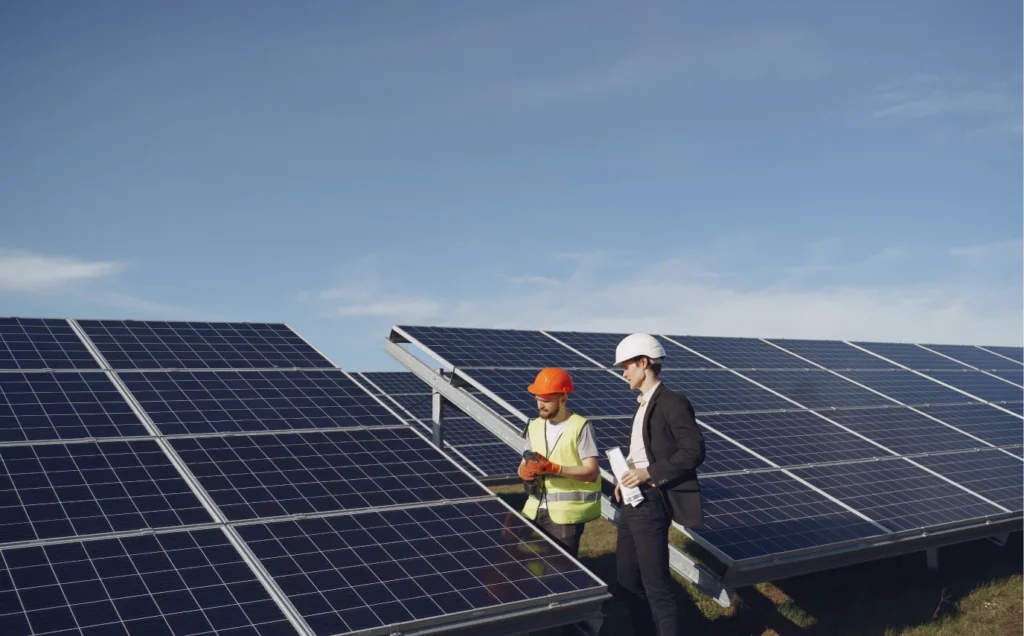
It is a common and frustrating experience: your installer promised a certain monthly generation figure, but your actual output consistently falls short. Before assuming something is wrong with your system, it helps to understand that installer estimates are calculated under near-ideal conditions, while real rooftops in Indore deal with shading, dust, temperature, and seasonal variation every single day. At Solar World Energies, we regularly help homeowners understand this gap and close it wherever possible.
Why Installer Estimates Are Usually Optimistic
Most system size and output estimates are calculated using standard test conditions and average annual sun hours, which do not fully capture how output changes across summer, monsoon, and winter. Our detailed article on solar panel performance across Madhya Pradesh’s seasons explains exactly how much output typically dips during monsoon months compared to peak summer, which is often the single biggest reason actual generation looks lower than the number quoted at the time of sale.
Shading You Might Not Have Noticed
Even partial shading from a water tank, an antenna, a neighbouring building, or a tree that has grown taller since installation can meaningfully reduce output, since shaded cells can drag down the performance of an entire panel string depending on the wiring configuration. Reviewing our guide on roof space required for different system sizes is a useful starting point for checking whether your panel layout is genuinely shadow-free throughout the day, not just at the time of installation.
Inverter Losses and Configuration Issues
Every solar system loses some energy during the conversion from DC to AC power, and the amount lost depends on the inverter type and how well it is matched to your panel configuration. Our comparison of string, micro, and hybrid inverters explains how inverter choice affects real-world efficiency, and mismatched or ageing inverters are a common, fixable cause of underperformance.
Natural Panel Degradation Over Time
Solar panels lose a small percentage of their output capacity every year as part of normal ageing, which is why panel warranties are structured around a performance guarantee rather than a flat output promise. Our guide on solar panel warranty explained clarifies how much degradation is considered normal each year and what performance level your warranty actually protects.
Dust, Pollution, and Cleaning Frequency
Indore’s dust levels, especially before the monsoon, can reduce panel output noticeably if cleaning is infrequent. A layer of dust scatters and blocks a portion of incoming sunlight before it ever reaches the solar cells. If you are unsure how often panels should realistically be cleaned in local conditions, our FAQ page covers general maintenance frequency guidance for homeowners.
When the Gap Points to Installer Accountability
While some gap between estimate and reality is normal and expected, a consistently large shortfall — well beyond seasonal variation — can indicate an installation issue such as incorrect panel orientation, undersized cabling, or a poorly configured inverter. This is where installer quality genuinely matters, and our guide on how to choose the best solar company in Indore outlines what a credible installer should be willing to inspect and correct if your system is underperforming beyond reasonable limits.
Frequently Asked Questions
Is it normal for solar output to be lower than the installer’s estimate?
Some gap is normal due to seasonal variation, dust, and gradual panel ageing, but a consistently large shortfall should be investigated.
How much does solar output drop during monsoon season in Indore?
Output can drop noticeably during monsoon due to cloud cover, as explained in our seasonal performance guide, though it typically recovers in the following summer months.
Can dust really make a big difference to solar generation?
Yes, a visible layer of dust can meaningfully reduce output, which is why periodic cleaning is recommended, especially before monsoon season.
How much does panel output degrade each year?
Most manufacturers specify a small annual degradation rate, generally covered under the performance warranty terms of your panels.
Could my inverter be the reason for lower output?
Yes, an undersized, ageing, or mismatched inverter can reduce conversion efficiency, which is worth checking if the shortfall is significant.
What should I do if my solar output seems abnormally low?
Request a performance audit from your installer that checks shading, wiring, inverter logs, and panel condition rather than assuming it is normal variation.
Conclusion
A gap between estimated and actual solar generation is common, and much of it comes down to normal factors like season, dust, and gradual panel ageing. But a persistently large shortfall deserves a proper inspection rather than being written off as normal. If your home solar panel system is underperforming and you want a clear answer on why, contact Solar World Energies for a performance review.
Getting less output than promised? Contact Solar World Energies for a performance audit of your home solar panel system. Get your free consultation with Solar World Energies.