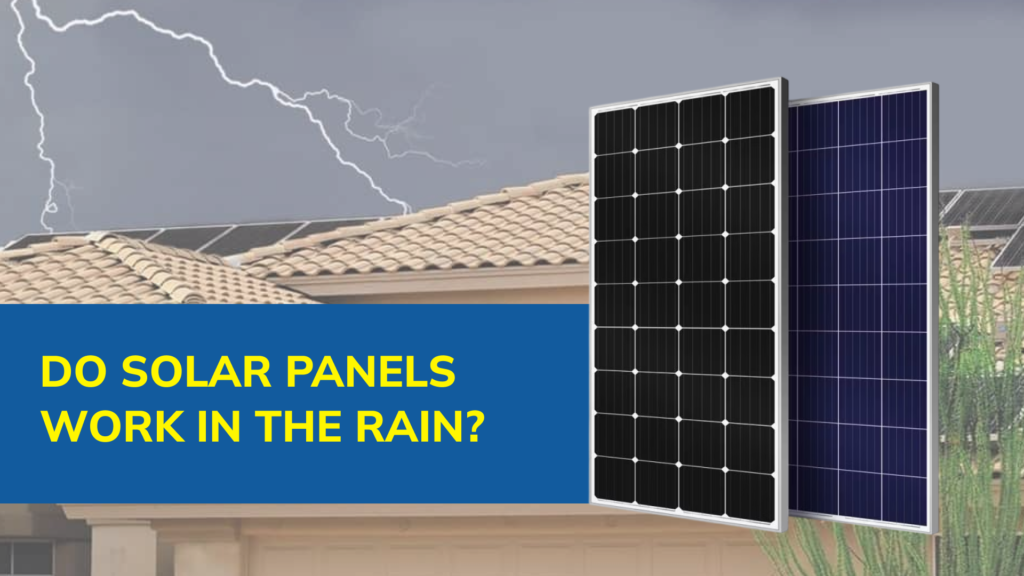
A common concern among homeowners considering rooftop solar is: how do solar panels work in monsoon season when the sky stays overcast for days? Solar panels are built to respond to light, not sunshine alone, which means they keep generating electricity throughout the monsoon, though at a reduced level compared to clear summer days. Here is a closer look at how the system actually behaves once the rains set in.
The Science Behind Solar Panels Working in Monsoon
Solar panels are made of photovoltaic cells that convert light into electricity. When photons from sunlight strike these cells, they release electrons and create a flow of current. This reaction depends on the presence of light particles, not on temperature or visible sunshine, which is why solar panels work in monsoon season even when the sun is hidden behind thick clouds.
Diffused Light and the Photovoltaic Effect
During overcast weather, sunlight does not disappear; it scatters as diffused light through the cloud layer. This diffused light still reaches the panel surface and triggers the photovoltaic effect, allowing the system to keep producing power, just at a lower output than on a bright, clear day.
How Different Monsoon Conditions Affect Panel Output
Heavy Cloud Cover
Dense monsoon clouds block a larger share of sunlight than light clouds, which lowers the intensity of light reaching the panels and reduces electricity generation for as long as the heavy cover persists.
Rainfall Itself
Rain does not damage properly installed panels. In fact, rainfall washes away dust, pollen, and grime that accumulate on the surface, which can slightly improve performance once clearer skies return. Lower ambient temperatures during rain also help, since excessive heat can reduce a panel’s electrical efficiency.
How On-Grid, Off-Grid, and Hybrid Systems Behave in Monsoon
The way your solar system responds to monsoon weather also depends on its configuration. An on-grid solar system stays connected to the electricity grid, so when panel output drops during rain, the grid automatically supplies the shortfall, and you experience no interruption. Off-grid and hybrid systems rely on batteries that store surplus power generated on sunnier days, which can then be drawn upon during extended monsoon spells.
For most homes opting for rooftop solar installation in Indore, an on-grid setup with net metering remains the most practical choice, since it balances monsoon-season dips against summer surpluses over the billing cycle rather than requiring large battery storage.
Common Myths About Solar Panels in Monsoon Season
Myth: Solar panels stop working completely when it rains.
Fact: Panels continue to generate electricity from diffused daylight, even during heavy rain, though at a reduced rate.
Myth: Water and rain damage solar panels.
Fact: Panels are designed to be weatherproof and sealed against moisture. Properly installed systems handle rain, humidity, and routine monsoon exposure without damage.
Myth: Monsoon makes solar investment less worthwhile.
Fact: The dip in monsoon output is a normal seasonal pattern that is factored into annual generation estimates and net metering adjustments, not a sign that the system is underperforming.
Keeping Your Solar System Efficient Through the Monsoon
- Have panels cleaned and inspected before monsoon arrives so pre-existing dust does not turn into residue.
- Ensure junction boxes, cables, and earthing connections are weatherproofed against water ingress.
- Check the panel mounting structure for looseness, since strong winds during storms can affect alignment.
- Track daily and monthly generation through your inverter’s monitoring system to spot any unexpected drop.
Why the Right Installation Matters in Monsoon Season
How well solar panels work in monsoon season depends as much on installation quality as on the panels themselves. Correct grounding, secure wiring, and appropriate tilt angles all affect how consistently a system performs through the rains. Working with an MNRE approved solar company in Madhya Pradesh ensures your installation follows the standards needed for long-term, weather-resilient performance. You can also check answers to common concerns on our solar panel FAQ page before making a decision.
Frequently Asked Questions
- Do solar panels work without direct sunlight?
Yes. Solar panels generate electricity from any available light, including the diffused light present on cloudy and rainy days, though output is lower than under direct sunlight.
- Is rain harmful to solar panels?
No. Solar panels are built with weatherproof sealing designed to withstand rain, humidity, and outdoor exposure. Rain can even help by washing away accumulated dust.
- Does the monsoon season reduce the lifespan of solar panels?
Normal monsoon rainfall does not reduce panel lifespan. Panels are tested for weather resistance as part of standard certification, and a good installation further protects wiring and mounting from moisture-related wear.
- Should I get my solar panels cleaned before monsoon starts?
Yes, cleaning panels before the rains helps remove dust buildup so the first rainfall does not create a muddy residue layer on the surface.
- Do on-grid solar systems keep working during power cuts in monsoon?
Standard on-grid systems are designed to shut off during a grid outage for safety reasons. A hybrid system with battery backup is needed if you want power during grid outages caused by monsoon storms.
- How much maintenance do solar panels need during monsoon?
Monsoon maintenance mainly involves a pre-season cleaning and inspection of wiring, junction boxes, and mounting structures. Once these are checked, the system typically needs minimal attention through the rainy months.
Conclusion
Solar panels are engineered to work in monsoon season by relying on available light rather than direct sunshine alone, which keeps them producing electricity even through extended cloudy spells. Understanding this helps you set realistic expectations for seasonal output and recognise that a temporary dip in generation is normal, not a fault. A well-designed and properly maintained system continues to deliver reliable savings across every season of the year.
Plan a Monsoon-Ready Solar Installation
Speak with our team to design a system built to perform reliably through every season. Request a free site visit and quote today.
Contact Us
Email: info@solarworldenergies.com
Indore Branch: Near AB Road, Pulak City, Silicon City, Indore, Madhya Pradesh 452001
Phone: +91-7000016587
Khandwa Branch: 06, Dwarka Trade Center, New Mansingka Mall, Pandhana Road, Khandwa – 450001
Phone: +91-9179911711