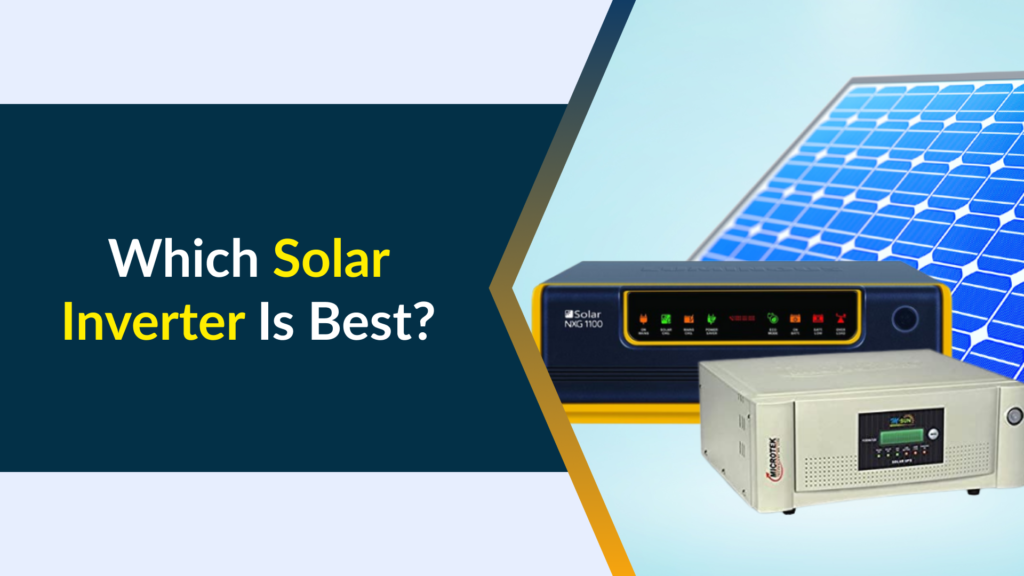
Panels tend to get all the attention when people think about rooftop solar, but the inverter is arguably just as important, since it is the component that actually converts the DC electricity your panels generate into usable AC power for your home. Choosing the wrong type of inverter for your roof layout or future plans can quietly limit how much value you get out of an otherwise well-designed system.
This guide breaks down the three main inverter types used in residential solar panel and commercial installations today, string, micro, and hybrid, so you know exactly what you are comparing the next time a quote lands in your inbox.
What Is a String Inverter?
A string inverter is a single central unit, usually mounted near your electricity meter, that receives DC power from a whole series or “string” of panels connected together and converts it to AC in one place. It is the most widely used inverter type for straightforward residential and commercial rooftops because it is simpler to install, easier to maintain, and generally more affordable than the alternatives, which is why it remains our default recommendation across most home solar panel projects.
The tradeoff is that all panels in a string perform as a group, so if one panel is shaded or underperforming, it can drag down the output of the entire string. For a clean, unshaded roof, this rarely matters in practice, which is why string inverters remain the default choice for most of our residential solar panel installations across Indore.
What Is a Micro Inverter?
A micro inverter is a small unit attached to each individual panel, converting DC to AC right at the panel itself rather than centrally. Because each panel operates independently, one shaded or underperforming panel does not drag down the others, which makes micro inverters a strong choice for roofs with partial shading from trees, water tanks, or neighbouring structures, or for panels split across multiple roof orientations, a scenario our team maps out during any solar panel installation in Indore site visit.
The downside is cost. Since every panel needs its own unit, a micro inverter setup typically costs more upfront than an equivalent string inverter system, so it makes the most sense when your roof genuinely has shading or layout challenges that would otherwise hurt performance under a standard residential solar panel string setup.
What Is a Hybrid Solar Inverter?
How Hybrid Inverters Work With Battery Storage
A hybrid inverter manages electricity from both your solar panels and a battery storage system together, allowing surplus daytime solar generation to be stored and used after sunset instead of being sent back to the grid or wasted. This makes it the right choice for homeowners planning to add battery backup either now or in the near future, a plan worth flagging to the Solar World Energies team before finalising your inverter choice.
When a Hybrid Inverter Makes Sense
If you experience frequent power cuts or simply want more control over when you use your own stored solar energy, a hybrid inverter is worth the additional upfront investment. Combined with the export credits explained in our net metering guide for Indore, a hybrid setup can meaningfully reduce your dependence on both grid electricity and diesel backup.
String vs Micro vs Hybrid: Which One Fits Your Roof?
For a clean, unshaded rooftop with a single orientation, a string inverter remains the most cost-effective and reliable choice, and this covers the majority of homes we assess during a solar panel installation in Indore site visit. For roofs with partial shading, multiple facing directions, or panels split across separate rooftop sections, micro inverters typically deliver noticeably better real-world output despite the higher cost. For anyone planning battery storage now or later, a hybrid inverter is worth budgeting for from the start rather than replacing a standard inverter down the line.
Businesses evaluating a larger installation through our commercial solar panel solutions often lean toward string inverters for cost efficiency at scale, though larger commercial rooftops with complex shading patterns sometimes benefit from a mixed approach using both string and micro inverters across different sections.
Inverter Warranty and Maintenance Considerations
Inverters generally have a shorter lifespan than the panels themselves, since they contain more active electronic components under continuous load. String inverters commonly carry 5 to 10 year warranties and may need replacement once during a system’s 25 year life, while micro inverters often come with much longer warranties precisely because a single unit failure only affects one panel rather than the whole array, a detail worth confirming on any residential solar panel quote.
Whichever type you choose, factor inverter replacement into your long-term cost expectations from day one rather than treating it as a surprise expense a decade into ownership. Our About Us page explains how we walk every customer through this kind of lifecycle planning honestly during the consultation stage.
Making the Right Choice for Your Situation
There is no single “best” inverter type across the board, only the right fit for your specific roof, shading conditions, and future plans around battery storage. The most reliable way to decide is a proper site assessment rather than choosing based on price alone, since an undersized or poorly matched inverter can quietly cap your system’s real-world output for years, which is why our team always inspects before recommending.
If you still have questions about how these options compare for your specific situation, our FAQ page covers several other commonly asked technical questions, and our team is always available for a direct, honest conversation about what actually fits your roof.
Conclusion
String, micro, and hybrid inverters each serve a different purpose, and the right choice depends entirely on your roof’s shading conditions, layout, and whether battery storage is part of your plans. Getting this decision right at the outset protects your system’s performance for the next 20-plus years. Contact our team for a technical assessment of which inverter type genuinely fits your home or business.
Frequently Asked Questions
What is the main difference between a string inverter and a micro inverter?
A string inverter is a single central unit that converts DC power from a whole series of panels together, while a micro inverter is a small unit attached to each individual panel that converts power at the panel level. String inverters are more affordable and common for straightforward rooftops, while micro inverters handle shading and panel-to-panel mismatch better.
Which is better for homes with partial roof shading, string or micro inverters?
Micro inverters generally perform better on roofs with partial shading or panels facing multiple directions, since each panel operates independently rather than being limited by the weakest panel in a shared string.
What is a hybrid solar inverter used for?
A hybrid inverter manages power from solar panels and battery storage together, allowing a home to store surplus daytime solar energy and use it after sunset, which a standard grid-tied string or micro inverter setup cannot do on its own.
Is a hybrid inverter necessary if I don’t have battery storage yet?
Not necessarily, though some homeowners choose a hybrid inverter upfront if they plan to add batteries later, since it avoids replacing the inverter down the line. This should be weighed against the higher initial cost of a hybrid unit versus a standard string inverter.
Which inverter type is most common for residential solar in India?
String inverters remain the most widely used choice for standard residential rooftops in India due to their lower cost and simpler maintenance, with micro inverters and hybrid systems chosen for specific situations like shading issues or planned battery storage.
Do micro inverters cost more than string inverters?
Yes, micro inverters typically cost more upfront since a separate unit is needed for each panel, though this is sometimes offset by better performance on complex or partially shaded roofs over the system’s lifetime.
How long do solar inverters typically last?
String inverters commonly carry warranties of 5 to 10 years and often need replacement once during a 25-year panel lifespan, while micro inverters can carry longer warranties of up to 20 to 25 years since individual unit failure affects only one panel rather than the whole system.
Not sure which inverter fits your roof and future plans? Talk to Solar World Energies for honest, technical guidance on choosing between string, micro, and hybrid inverters for your Indore property.
mattis, pulvinar dapibus leo.